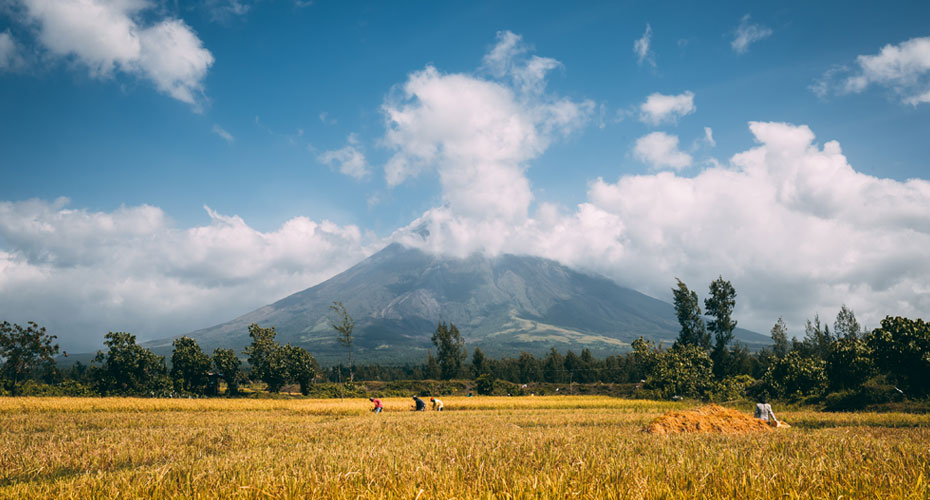
The Philippines is a year-round destination, but when you travel can completely shape your experience. With over 7,000 islands, the country offers a wide range of climates, landscapes, and activities – from crystal-clear lagoons and vibrant coral reefs to lush countryside and remote island escapes.
Understanding the seasons, weather patterns, and regional differences will help you choose the perfect moment for your trip – whether you’re dreaming of snorkeling in turquoise waters, exploring iconic landscapes, or enjoying a slower island pace.
This guide breaks down when to go, where to go, and why timing matters, with practical tips to help you plan a smooth and rewarding journey.
Understanding the Philippines’ climate
The Philippines has a tropical climate with two main seasons:
- Dry season: November to May
- Rainy season: June to October
Temperatures remain warm throughout the year, averaging 25–32°C (77–90°F). The real difference between seasons lies in rainfall, sea conditions, and visibility – key factors for island hopping, marine life encounters, and outdoor activities.
Dry season (November to May): the ideal travel window
Why it’s the most popular time to visit
The dry season is widely considered the best time to visit the Philippines, especially for first-time travelers. During these months, you can expect:
- Calm seas and excellent visibility for snorkeling and diving
- Reliable weather for island hopping and boat tours
- Clear skies for scenic viewpoints and countryside excursions
This period is perfect for destinations where nature and marine experiences are central to the journey.
Where it shines most:
- Coron’s lagoons, limestone cliffs, and island hopping routes
- Cebu’s southern coast for waterfalls and marine life
- Bohol’s countryside landscapes and offshore islands
Peak months: December to February
These months combine excellent weather with slightly cooler temperatures, making them ideal for travelers who prefer comfortable conditions for outdoor exploration.
It’s also the most popular period, so planning ahead is recommended for those looking for curated, well-organized experiences rather than last-minute arrangements.
Shoulder season (March to May): warm, bright & less crowded
As the dry season progresses, temperatures rise, especially from March to May. While it can feel warmer, this period still offers:
- Mostly dry weather
- Fewer crowds than peak winter months
- Fantastic sea conditions
This is a great time for travelers who enjoy sunny days, snorkeling, and relaxed island pacing, especially in destinations with easy access to beaches and water activities.
Rainy season (June to October): A different way to experience the islands
The rainy season doesn’t mean constant rain. Showers are often short and intense, followed by clear skies. Travel during this period can be very rewarding for those who value:
- Lush, green landscapes
- Fewer tourists
- A more local, authentic atmosphere
However, sea conditions can be less predictable, making island hopping more weather-dependent.
Best destinations during the rainy season
Some islands remain relatively accessible and enjoyable even during wetter months, particularly for land-based exploration, culture, and relaxation.
When is the best time for marine & wildlife experiences?
For travelers interested in snorkeling, diving, and marine encounters, sea conditions matter more than rainfall.
- Best visibility: February to May
- Calmest waters: November to April
This is when destinations like Bohol, Coron, Malapascua, and southern Cebu truly shine.
Choosing the right season based on your travel style
For first-time visitors
If it’s your first trip to the Philippines, the dry season (November–May) offers the easiest and most comfortable introduction to island travel.
For slow travelers and repeat visitors
Those looking for fewer crowds and a slower rhythm may enjoy the shoulder or rainy season, focusing on fewer destinations and deeper experiences.
Final tips for planning your trip
- Book key experiences early during peak season
- Stay flexible during the rainy months
- Choose destinations based on activities, not just weather
- Prioritize quality over quantity – fewer islands, better experiences
The Philippines rewards travelers who plan thoughtfully and embrace the rhythm of island life.
Conclusion
There’s no single “perfect” time to visit the Philippines – only the right time for your travel style. Whether you’re chasing clear waters, iconic landscapes, or a quieter island escape, understanding the seasons helps you make the most of your journey.
By choosing the right destinations at the right moment, you’ll experience the Philippines not just as a place to visit, but as a collection of carefully selected island experiences worth savoring.



 Secure payments • Trusted providers