Coron vs Boracay: which Philippine island should you visit? (2026)
Die kurze Antwort
Go to Coron for wreck diving, snorkeling and a version of the Philippines that still feels genuinely untouched – just don’t expect five-star resort rows. Go to Boracay for polished infrastructure, that famous white sand, and nightlife, with the understanding that you’re visiting one of the most tightly managed and heavily visited islands in the country.
We’ve spent three days in Coron and it’s one of the most striking places we’ve been in the Philippines – not because it’s polished, but because it isn’t yet. Boracay took the opposite path: it got so popular it nearly destroyed itself, got shut down for rehabilitation, and reopened under strict rules that are still being enforced today.
Coron is one of the last places that hasn’t fully caught up to its own scenery
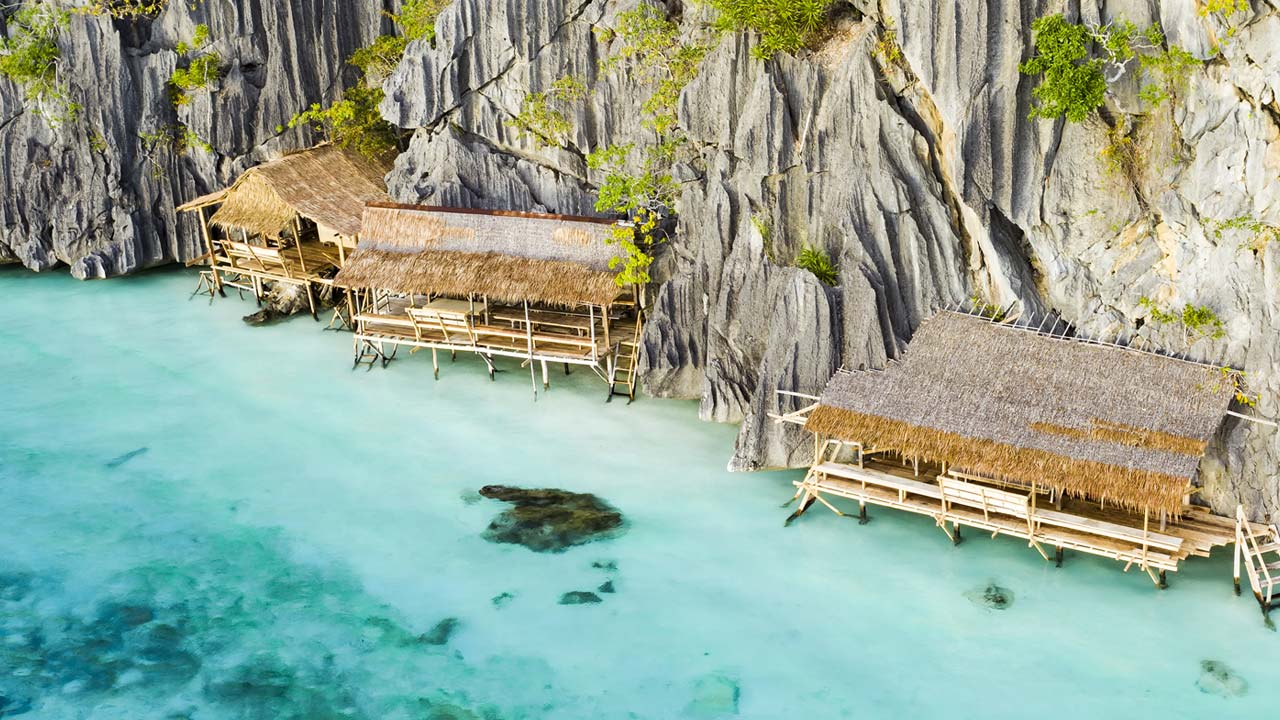
Kayangan Lake, Twin Lagoon, the wreck sites scattered around the bay – Coron’s natural scenery is on par with anything else in the Philippines. What’s different is that the town itself hasn’t been built up to match it. Accommodation options lean towards simple guesthouses and mid-range hotels rather than sprawling luxury resorts – if you’re picturing an infinity pool overlooking the bay, that’s not really what’s on offer here yet.
That’s exactly what makes it work, in our experience. Three days there was enough to dive a couple of WWII wrecks, spend a full day island-hopping the lagoons, and still feel like the place hadn’t been overrun. It’s a destination that rewards people who came for the water and the diving, not the resort.
Boracay built the infrastructure – then had to rein it in
Boracay’s story is almost the reverse. White Beach became so popular, and so overdeveloped, that the government shut the entire island down in 2018 for a six-month rehabilitation after the coastline started visibly deteriorating from pollution and overcrowding.
It reopened with a hard carrying capacity cap, still enforced in 2026, limiting the island to roughly 19,000-19,215 people present at any given time. Every tourist now needs a confirmed booking at a DOT-accredited property (unaccredited guesthouses simply can’t host you), and entry involves environmental and terminal fees managed through the Boracay iPass system. Even with all that, the island still gets breached past capacity during peak weeks – Holy Week 2026 saw numbers spike well above the legal limit.
The upside of all that regulation is real: proper infrastructure, established resorts across every budget, a beach that’s genuinely stunning when it’s not overloaded, and nightlife that Coron doesn’t have and isn’t trying to have. The tradeoff is that you’re visiting a managed tourist destination, not a quiet one.
What each island is actually good for
Coron’s days are built around the water – wreck diving, snorkeling straight off the boat, kayaking into lagoons through gaps in the limestone. It’s an active, in-the-water kind of trip more than a lounge-on-the-beach one.
Boracay is built for the opposite: White Beach, beachfront bars, sunset sailing, a long stretch of sand made for lounging rather than diving somewhere specific. There’s water sports on offer too, but the island’s real strength is being an easy, well-run place to simply be on a beach.
If snorkeling and diving are the point of your trip, Coron wins clearly. If you want a beach you can walk to from your hotel and a bit of nightlife in the evening, Boracay is built exactly for that.
Getting there and settling in
Coron is reached by a direct flight to Busuanga (Francisco B. Reyes Airport), then a short transfer into town. It’s straightforward, but once you land, you’ll notice the town itself is still fairly small and quiet outside the main tourist strip.
Boracay requires flying into Caticlan or Kalibo, then a boat transfer to Cagban Port followed by e-trikes or shuttles up the island’s spine road. It’s a slightly longer chain of transfers, but it’s a well-oiled one – this is one of the most visited islands in the country, and the logistics reflect that.
Budget
Coron tends to run cheaper overall – accommodation is simpler and less expensive, and the added government fees you’ll find in Boracay don’t apply here.
Boracay’s costs add up in layers: accommodation (which now has to be DOT-accredited, so budget guesthouses are more limited than they used to be), plus environmental and terminal fees on top. It can still be done affordably, but expect more line items on the bill than a Coron trip.
Wie man sich zwischen ihnen entscheidet
Go to Coron if wreck diving, snorkeling and a still-developing, less commercial atmosphere matter more to you than resort polish, and you’re comfortable with simpler accommodation.
Go to Boracay if you want a well-established beach destination with proper infrastructure and nightlife, and you don’t mind that “well-established” also means managed capacity limits and accredited-only accommodation.
Can you do both?
It’s possible, but they sit on opposite ends of the Philippines’ island geography, so it takes real planning rather than a quick add-on. Most travelers treat this as two separate legs of a longer Philippines trip rather than combining them in a short one.
If you’re building a longer itinerary and want help routing between regions like this without wasting days on transfers, that’s exactly the kind of planning we handle.
Abschließende Gedanken
If we’re being honest about our own preference: Coron is the one that stays with you. It’s rougher around the edges in terms of infrastructure, but the diving and the sense that it hasn’t been fully packaged for tourism yet make it worth the tradeoff. Boracay earns its reputation too – it’s just a very different kind of earned, built on regulation and infrastructure rather than being left alone.
Explore our Coron tour packages if Coron’s calling you, or get in touch if you’re weighing up a route that includes Boracay – we don’t currently run Boracay tours ourselves, but we can help you plan the logistics around it.
Häufig gestellte Fragen
Is Coron or Boracay better for diving and snorkeling?
Coron, without much competition. It’s home to several WWII shipwrecks and lagoons well suited to snorkeling straight off the boat. Boracay has water sports on offer but isn’t known as a diving destination the way Coron is.
Is Boracay overcrowded?
It can be. The island has a legal carrying capacity of roughly 19,000-19,215 people at a time, but that limit has still been breached during peak periods like Holy Week. Traveling outside peak season helps.
Do I need special documents to visit Boracay?
Yes – beyond the standard Philippines eTravel registration, Boracay requires a confirmed booking at a DOT-accredited property and payment of environmental and terminal fees, usually handled through the Boracay iPass system.
Is Coron a luxury destination?
Not really, at least not yet. Accommodation in Coron leans towards guesthouses and mid-range hotels rather than five-star resorts. The draw is the diving and scenery, not resort polish.
Which is cheaper, Coron or Boracay?
Coron tends to be cheaper – simpler accommodation and no added environmental or terminal fees. Boracay’s costs add up with accredited-only accommodation plus mandatory fees on entry.



 Sichere Zahlungen • Vertrauenswürdige Anbieter