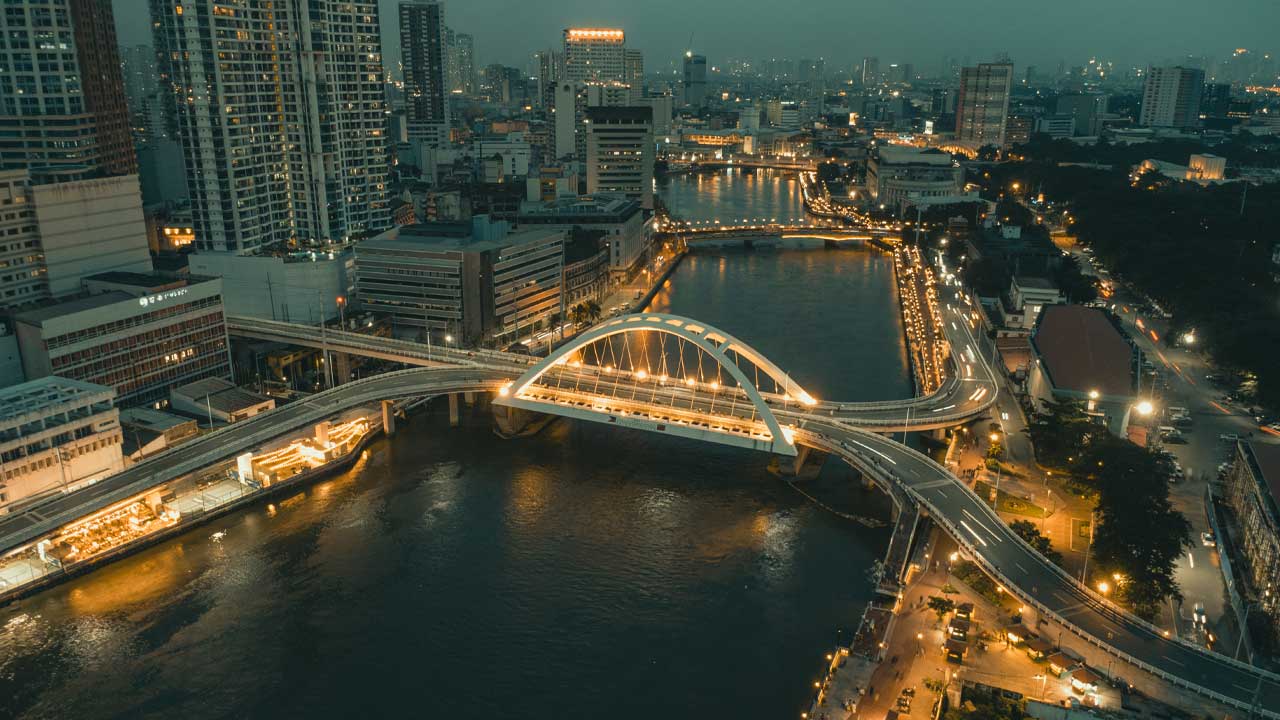
Best things to do in Manila (2026): why Nat Geo just put it on the map
La respuesta breve
National Geographic named Manila one of its Best of the World destinations for 2026, and the reasoning was almost entirely about food – a city where Spanish, Chinese and Malay influences collide into something genuinely distinct, helped along by the Philippines’ first-ever Michelin Guide debuting this year. For most travelers building a Philippines itinerary, Manila has been a one-night layover before flying somewhere with a beach. That’s the thing worth reconsidering in 2026.
Between Intramuros, Binondo’s food scene, a cluster of free museums, and a river you can now cross by electric ferry, Manila earns more than a single overnight – even if the rest of your trip is still headed for the islands.
The food scene that got Manila noticed
Nat Geo’s write-up leaned hard into Manila’s status as a genuine melting pot, and Binondo – the oldest Chinatown in the world – is where that shows up most clearly. Eng Bee Tin and Ho-Land are the bakeries worth seeking out here, both known for hopia, though wandering Binondo’s streets for fish balls and turon gets you just as far into the city’s food culture.
Beyond Binondo, the names that came up repeatedly: Manam for its crispy pancit palabok, New Po Heng Lumpia House for spring rolls, Toyo Eatery for a modern take on a kamayan feast, and Kondwi for its cocktail list. If markets are more your pace than sit-down restaurants, the weekend Salcedo Community Market in Makati and the Tutuban Night Market both give you a broad taste of the city in one stop.
None of this needs to be a research project before you arrive – Manila’s food scene rewards just picking a neighborhood and walking.
Intramuros and the history that’s easy to underestimate
Intramuros – Manila’s walled Spanish colonial core – is where most first-time visitors end up, and for good reason. San Agustin Church and Manila Cathedral anchor a cluster of seven churches you can walk between, and community-led walking tours through the district (Renacimiento Manila runs some of the better-known ones) go deeper than wandering on your own would.
Fort Santiago sits at the edge of Intramuros and adds a heavier layer of history – it’s where Jose Rizal, the Philippines’ national hero, was imprisoned before his execution, and the dungeon beneath is open to walk through.
The museums nobody mentions, and they’re free
Right by Rizal Park, the National Museum of Fine Arts, the National Museum of Anthropology and the National Museum of Natural History are all free to enter and close enough to cover in a single day if museums are your thing. The park itself has a Chinese Garden worth a slow walk if you need a break between them.
If you want something a bit different, the Ayala Museum in Makati holds a genuinely striking collection of pre-colonial Philippine gold – jewelry, ceremonial pieces and artifacts dating back to the 10th century, well before Spanish colonization shaped the city you’re walking through elsewhere.
Getting between neighborhoods without just taking a Grab everywhere
Manila added a free public ferry along the Pasig River connecting to Binondo and Intramuros (via the Hulo stop) – a genuinely nice way to move between neighborhoods that also happens to be one of the better free things to do in the city. An electric boat joined the fleet in late 2025, so it’s worth checking current schedules before building a day around it.
Where to stay, if Manila’s now worth more than one night
Options range across the spectrum: the Manila Hotel for a historic base, Shangri-La at the Fort for a more contemporary luxury stay, or Lub d Manila Makati if you’d rather put the budget toward food. The Mandarin Oriental at Ayala Triangle Gardens has also reopened, alongside a new Dusit property in San Juan.
Reflexiones finales
Manila has always been the city every Philippines itinerary passes through – what’s changed in 2026 is that there’s now a real case for treating it as a destination rather than a stopover. If your trip already starts here (most do), it’s worth building in an extra day for Intramuros and a proper meal in Binondo rather than heading straight for the airport transfer.
Our 7-day and 10-day Philippines itineraries both open in Manila with a guided walking tour through Intramuros and Binondo, so you get the city properly rather than just passing through it. Explore our tour packages to see how Manila fits into a wider Philippines trip.
Preguntas frecuentes
Mainly for its food scene – the mix of Spanish, Chinese and Malay culinary influences, plus the Philippines welcoming its first Michelin Guide in 2026, gave Manila a fresh reason to be noticed beyond being a layover city.
Worth extra time, at least a full day. Intramuros, Binondo’s food scene and the free museums near Rizal Park are enough to fill a day without needing to venture far, and most Philippines itineraries already route through the city anyway.
Binondo, the world’s oldest Chinatown, for street food and heritage bakeries like Eng Bee Tin and Ho-Land. For sit-down restaurants, Makati has a stronger concentration of the newer names getting attention, including Toyo Eatery and Kondwi.
Yes – the National Museum of Fine Arts, National Museum of Anthropology and National Museum of Natural History near Rizal Park don’t charge entrance fees, which makes them an easy add to a day that also includes Intramuros.
Manila’s free Pasig River ferry connects the two via the Hulo stop, and it’s a more scenic option than a Grab through traffic. Worth checking current schedules before planning a day around it, since the route has been expanding its fleet.



 Pagos seguros • Proveedores de confianza