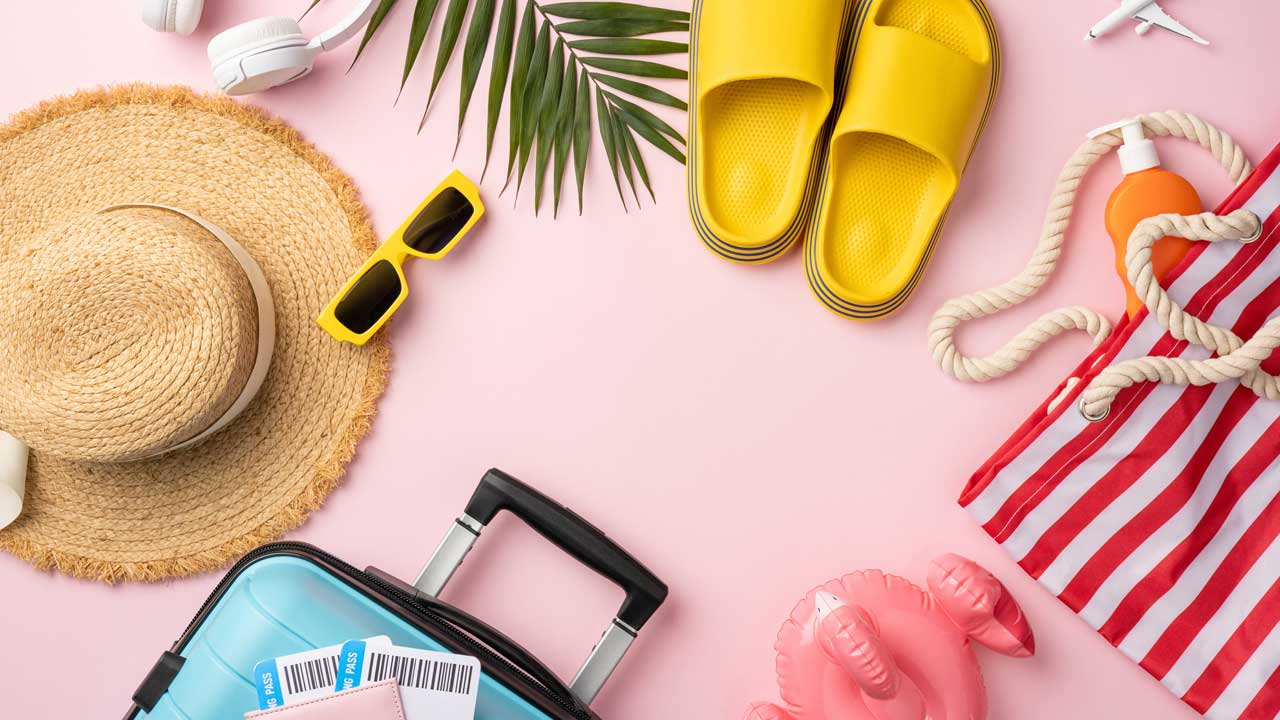
Philippines packing list: what to bring in 2026 (and what to leave home)
La respuesta breve
Pack light, quick-dry clothing, reef-safe sunscreen, a reusable water bottle and bag, and a dry bag for boat days – you’ll be on the water more than you expect. Skip single-use plastic where you can: several islands, including Boracay and El Nido, actively fine tourists caught with it. And bring a universal adapter even though the plug shape matches North American sockets – the Philippines runs on 220V, not 120V, and that catches people out.
Most Philippines packing lists read like they were written for any tropical beach anywhere. This one is built around what actually gets used on a multi-island trip here specifically.
Sort the paperwork before you touch a suitcase
This isn’t a packing item, but it belongs first: confirm your eTravel registration is done and your passport has at least 6 months of validity left. We’ve covered entry requirements in detail in our Philippines travel requirements guide, worth reading before you pack rather than after. Bring an offline copy of your passport photo page and accommodation bookings too – wifi on smaller islands is inconsistent enough that this saves a scramble at some point.
The plastic ban isn’t a suggestion here
Boracay and El Nido have both gone well beyond polite requests on single-use plastic. El Nido has fined tourists caught with disposable plastic up to 10,000 PHP on the spot, and Boracay’s municipal ordinance bans single-use plastic items across every hotel, resort and restaurant on the island. Parts of Siargao have similar local rules.
A reusable water bottle and a tote bag solve most of this – most accommodations have refill stations anyway, so you’ll use the bottle constantly regardless of the ban. Skip disposable straws and cutlery too if you’re bringing your own snacks for a boat day.
Reef-safe sunscreen, and more of it than you think
Regular sunscreen damages coral, and a fair number of marine parks and dive operators specifically require the reef-safe kind before they’ll let you in the water. Look for “reef-safe” or mineral-based formulas that avoid oxybenzone and octinoxate. Bring more than feels necessary – it’s available locally near the tourist spots, but not always the reef-safe version, and rarely at a fair price when it is.
A wide-brim hat and a light long-sleeve rash guard do a lot of the sun protection work on their own, which matters on the days you’re on a boat from 8am to 4pm with zero shade.
Clothing built for wet, dry, wet again
Quick-dry fabric matters more here than almost anywhere else – some days you’ll be wet, dry, and wet again more than once. Two swimsuits is the practical minimum (one’s always drying while you wear the other), plus lightweight shorts and breathable shirts for the rest.
Pack one modest outfit too – shoulders and knees covered – for churches, which come up more than people expect: Intramuros in Manila, Baclayon Church in Bohol, small-town churches along most itineraries. Flip-flops cover towns and beaches fine; closed shoes or sturdy sandals earn their space in the bag for countryside stops like the Chocolate Hills viewpoint or any hanging bridges.
The unglamorous gear that gets used daily
A dry bag is the single most underrated item on this entire list – boats, splashback, sudden rain, all of it. Even a cheap one earns its place. Pair it with a waterproof phone pouch for photos during island-hopping without risking the phone itself.
A portable power bank matters more than people expect too, since charging isn’t guaranteed during long transfers or ferry rides. And bring a universal power adapter regardless of where you’re from – the plug shape matches North American sockets, but the country runs on 220V. North American devices built only for 120V can be damaged without a quick voltage check, so confirm your electronics are dual-voltage before assuming the plug fitting means you’re fine.
Round it out with a basic first aid kit – insect repellent, rehydration salts, whatever personal medication you take. Pharmacies are easy to find in cities, less guaranteed in smaller towns.
Diving or snorkeling changes the list slightly
If you’re particular about fit, bring your own mask – rental gear is widely available and generally fine, but a mask that actually seals properly makes a real difference across multiple days in the water. Certified divers should bring their card; if you’re not certified and want to try a beginner dive, no advance gear is needed, operators handle that on the day.
What not to bring
Skip large bottles of regular sunscreen – not reef-safe, and you’ll likely switch to reef-safe before finishing the bottle anyway. Leave the hardshell suitcase at home too if your trip involves island-hopping; a duffel or soft bag is far easier to load in and out of boats and vans. Valuable jewelry has no real use on a trip built around beaches and boats, so it’s just something to worry about losing.
Overpacking clothes is the most common mistake. Laundry is cheap and available almost everywhere, so packing for 4-5 days and repeating covers a trip of any length – there’s rarely a reason to pack for the full duration.
Reflexiones finales
Most packing mistakes here aren’t about forgetting sunscreen – they’re about over-preparing for a trip that’s actually built around getting in and out of boats, constant humidity, and quick-dry everything. Pack light, leave room for more reef-safe sunscreen than feels reasonable, and get the dry bag before you get a fourth pair of shoes.
Still deciding which islands to build the trip around? Our guide to the best Philippines islands for non-surfers is a good next stop, or explore our tour packages if you’re ready to start planning.
Preguntas frecuentes
Do I need reef-safe sunscreen for the Philippines?
Not everywhere, but plenty of marine parks and dive operators require it, and regular sunscreen damages coral regardless of enforcement. Treat it as the default rather than checking each destination’s specific rules.
Will I really get fined for bringing plastic bottles?
In some places, yes. El Nido has issued fines as high as 10,000 PHP for single-use plastics, and Boracay bans single-use plastic items island-wide. A reusable bottle and bag avoid the issue entirely.
What voltage does the Philippines use?
220V, on Type A/B sockets – the same plug shape as North America, but a different voltage. Check your electronics are dual-voltage before assuming a US charger will work safely.
Do I need a dry bag if I’m not diving?
Yes – island-hopping boats, sudden rain and general splashback make it useful even if you never put your head underwater.
How many outfits should I actually pack?
Around 4-5 days’ worth is plenty for a trip of any length. Laundry service is cheap and widely available, so there’s little reason to pack for the full duration.


 Pagos seguros • Proveedores de confianza